
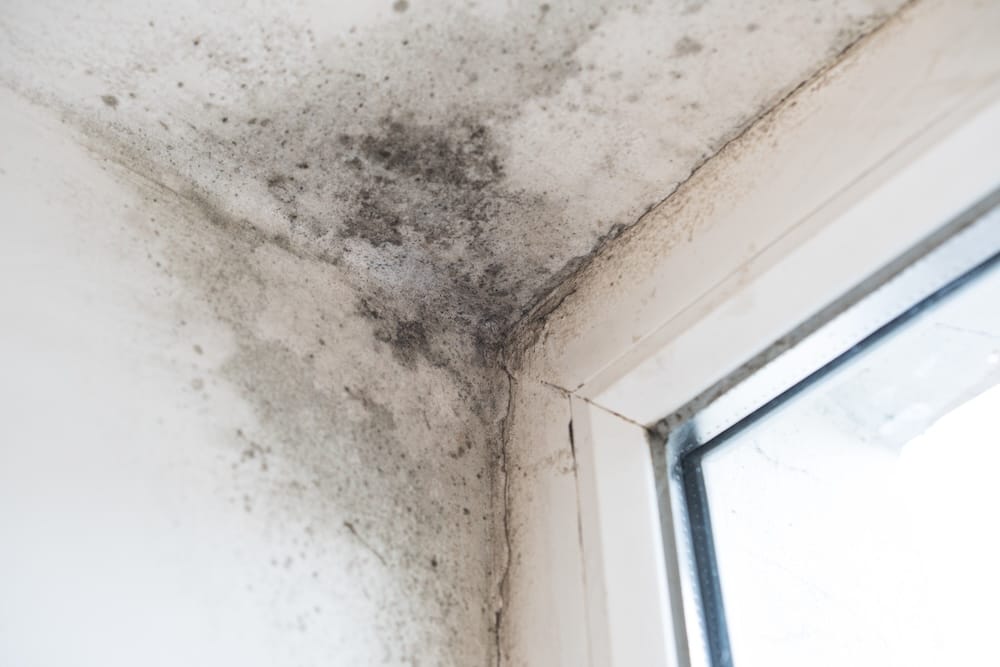
Mold growth can negatively affect the air inside your Dallas–Fort Worth property. And because mold often goes unseen it means that most people are unaware there’s an issue, until it causes more serious problems. The burden of hidden mold is exactly why professional mold inspection services are so important. At Barrett Environmental, our Ph.D.-led team uses rigorous testing to locate hidden mold growth before it spreads.
Below, we share some of the most common signs that mold may be negatively impacting your indoor air quality.
4 Signs Mold Growth Is Negatively Impacting Your Indoor Air Quality
Like most people, you probably think the air you’re breathing inside your home or business is safe, but when mold is present, your indoor air quality is not as healthy as you think. Because mold tends to grow in concealed or hard-to-reach areas, issues can go unnoticed until they begin to affect comfort, health, and even cause property damage. Here are some of the key indicators that mold may be compromising your indoor air quality.
1. Musty Odors That Linger
One of the earliest and most obvious signs of mold growth is a persistent musty or earthy smell. Usually, this odor is more noticeable in enclosed spaces with limited ventilation such as bathrooms, crawl spaces and under sinks. Even when you cannot see visible mold, the smell alone can indicate a moisture problem. If you’ve done a deep cleaning but the problem persists, then checking for mold growth is highly recommended.
2. Respiratory Symptoms That Don’t Go Away
When mold affects indoor air quality, it can have a direct impact on the respiratory system. Common symptoms may include the following.
- Coughing
- Wheezing
- Shortness of breath
- Tightness in the chest
While those who have been diagnosed with asthma, COPD or other respiratory health conditions tend to be the most at risk, mold exposure can affect anyone. To avoid serious health problems, scheduling routine air quality inspections is essential.
3. Increased Allergy Flare-Ups
If you’re allergic to mold and are experiencing more flare-ups than usual, there’s a good chance you’re dealing with an indoor air quality issue. When mold spores circulate through indoor air, they can trigger allergic reactions.
- Sneezing
- Coughing
- Watery eyes
- Congestion
- Throat irritation
If these reactions seem to be more severe while indoors and subside when you go outside, then mold could be to blame.
4. Excess Moisture and Condensation Issues
High humidity and excess moisture levels are key factors that contribute to indoor mold growth. Condensation on windows and damp surfaces along with humid indoor air can create the perfect environment for mold. Areas with poor ventilation or where previous water damage occurred are particularly vulnerable. A professional indoor air quality inspection can identify the cause of increased moisture levels and prevent further problems.
Protect Your Comfort & Health With a Thorough Indoor Air Quality Inspection in Dallas–Fort Worth
If left unaddressed, mold-related air quality issues can escalate fast. In response, Barrett Environmental provides the most detailed mold testing and air quality inspections in the Dallas–Fort Worth area. We identify the sources of air quality concerns and provide actionable strategies to correct the situation by using a science-based approach, advanced technologies and, when needed, Scout – our certified mold detection dog. Call (214) 886-3108 or schedule an inspection today.