
Common Questions About Mold Inspections
Call Us Now (214) 886-3108
Home › FAQ About Mold Testing and Indoor Air Quality Inspections
Mold and Indoor Air Quality Inspections FAQ
Mold and poor indoor air quality can contaminate your home or workplace, affecting your health and contributing to chronic conditions. If you’re concerned about active mold growth or airborne contaminants, a professional mold inspection will help uncover the issues that are hidden behind walls, beneath floors, and carried in the air itself. Before scheduling an inspection, check out our FAQ. It provides a good overview of the process and can help you determine whether it’s right for your situation.
Top Commercial and Residential Mold Inspection Questions
Visible mold growth, strong odors, and respiratory issues at specific locations within a building can all signal a mold problem. In reality, detecting mold and poor indoor air quality requires a detailed inspection with advanced detection equipment. If you know or suspect that your property may be contaminated, read below for answers to the most common questions about mold and indoor air quality.
How Is a Mold Inspection Done?
A mold inspection is done by a state-licensed inspector, beginning with an initial consultation to understand the unique needs of each client. During the course of the inspection, the inspector will complete a full visual assessment of all areas, along with measurements of airborne contaminants. Additionally, a full moisture assessment of the space is conducted to ensure all possible sources of mold are identified.
What Is Included in a Professional Mold Inspection?
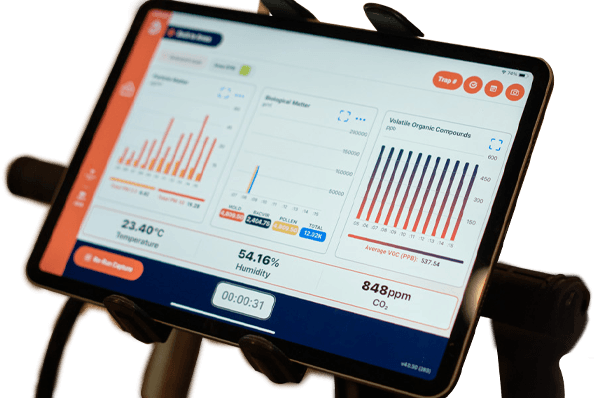
A professional mold inspection includes a visual assessment of the home or business, measurement of air quality parameters, including airborne mold spores, moisture detection, thermal imaging and direct surface sampling when needed. A detailed report will then outline the findings and recommended remediation steps.
Is a Professional Mold Test Better Than a DIY Mold Kit?
A professional mold test is better than a DIY mold kit because it is conducted by trained inspectors using advanced testing equipment. A dependable mold testing service follows a multimodal approach that can include the use of robotic sampling and a mold detection dog.
What Happens if Mold Is Found During an Inspection?
If mold is found during an inspection, your inspector will use a combination of surface and air sampling to determine the types and abundance of mold and develop a remediation protocol. The remediation protocol outlines all steps needed to properly remove mold-affected materials while keeping the rest of your home and family safe.
When Should I Schedule a Post-Water Damage Inspection?
You should schedule a post-water damage inspection after any flooding, leaks or water intrusion within your property. To fully determine the extent of the water damage, inspections should be completed after professional drying of the water-damaged materials is complete. However, if you see visible mold growth, are experiencing health symptoms, or the leak went unnoticed for an extended period, you should call right away.
Does Insurance Require a Professional Mold Clearance Certificate?
Insurance companies may require a professional mold clearance certificate to confirm that remediation was completed, and that mold and indoor air quality are at acceptable levels. Your certificate may also be needed to process the claim or reinstate coverage.
What Is Mycotoxin Sampling and When Is It Necessary?
Mycotoxin sampling is an advanced test that detects toxic compounds produced by certain types of mold. Testing is necessary when residents experience unexplained health problems or the building has a history of chronic mold issues.
What Are the Benefits of Air Quality Testing?
The benefits of air quality testing include identifying pollutants such as particulate matter, gases, and volatile organic compounds (VOCs) that may affect your health. Results of air quality testing can be used to improve ventilation and address other issues.
How Often Should a Commercial Building Have an Air Quality Assessment?
A commercial building should have air quality assessments at least once per year. Additional inspections are recommended after water damage, renovations, or when building occupants raise complaints.
Can Indoor Air Quality Inspections Help With Seasonal Allergies?
Indoor air quality inspections can help with seasonal allergies by identifying triggers such as mold, dust, pollen and airborne allergens. Inspectors will create a remediation report to address air quality issues responsible for allergy symptoms.
Contact Us for Indoor Air Quality and Mold Inspections
Barrett Environmental provides commercial and residential mold testing and indoor air quality inspections. If you have any questions about our range of services or want to schedule an inspection, we’re always ready to help. To learn more, call (214) 886-3108 or request an inspection.