
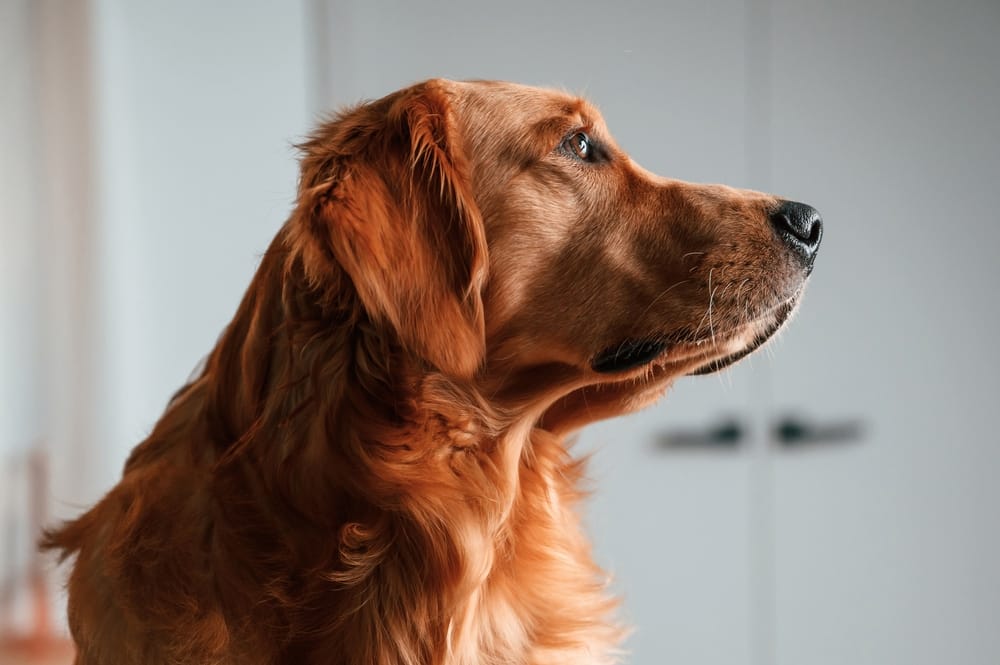
Finding the source of mold growth isn’t always easy, especially when it’s growing in hard-to-reach areas such as behind walls or beneath flooring. In these situations, a mold detection dog can help improve the accuracy of an investigation by directing professionals towards areas where mold may be present. Specially trained dogs can detect mold-related odors that may otherwise go unnoticed, helping inspectors determine locations where further investigation is needed, and when additional testing may be warranted.
At Barrett Environmental we use canine detection services in conjunction with other proven inspection methods to help locate the sources of mold growth. Let’s take a closer look at how our mold detection dog, Scout, can improve inspections when evaluating your Dallas–Fort Worth property.
The Benefits of Canine Mold Detection Services
Determining where to focus a mold inspection can be difficult when the source of mold growth is not immediately evident. Specially trained mold detection dogs can be a powerful tool here, as they can help inspectors pinpoint the location of mold-related odors, particularly in areas that are difficult to reach and assess visually. Here are some of the key ways that canine mold detection can enhance the inspection process.
Helps Uncover Hidden Mold Growth
Mold is not always visible, as it often grows in concealed spaces and hard-to-reach areas. A trained detection dog can pick up mold-related odors in locations that may be difficult for human inspectors to access or visually assess, such as inside insulation or around HVAC systems. By identifying areas that may be of concern, a mold detection dog can help guide the next steps in a mold investigation. The dog’s search allows professionals to determine where they should focus their attention, and whether further investigation may be necessary.
Makes Mold Inspections More Targeted
A comprehensive mold inspection involves more than simply assessing a property for visible mold growth. To detect an underlying problem, reputable inspectors may evaluate several factors such as moisture levels and indoor air quality. Canine mold detection offers another source of information, allowing professionals to target their efforts and investigate areas that they may otherwise overlook. This can be particularly helpful when musty odors are present without any obvious signs of mold growth, and in properties that have experienced water damage.
Supports Further Mold Testing
A mold detection dog’s findings can also be used to determine whether additional testing may be helpful during a mold inspection. For example, depending on the property’s unique circumstances, a professional inspector may recommend air or surface sampling to gather more information about mold growth and better understand the extent of contamination. By identifying areas that should receive further attention, mold inspection dogs can help inspectors conduct a more thorough investigation.
Offers a Non-Invasive Assessment
Mold detection dogs offer a non-invasive way to help assess a property for mold growth. Because these dogs are trained to detect mold-related odors using their sense of smell, they can help inspectors narrow their search for mold growth without having to open up walls, remove flooring, access concealed spaces or use other invasive measures. When used as part of a comprehensive mold inspection service, canine detection can help determine areas that require a closer inspection without disturbing the property.
Count on Barrett Environmental to Locate Hidden Mold Growth in Your DFW Property
Don’t let hidden mold growth go unchecked. At Barrett Environmental we use canine mold detection, advanced inspection technologies and proven techniques to uncover potential sources of mold growth in your DFW home or business. Call (214) 886-3108 or schedule a mold inspection today.